

Quick Summary
A good dad polo shirt has its shoulder seam at the edge of your shoulder bone, room in the chest, and sleeves ending mid-bicep. Pick the fabric to match your week, and check the length with a tuck test. Measure yourself before buying, since sizing varies by brand.
- Shoulder seams should land right at the edge of your shoulder bone.
- Sleeves should end around mid-bicep and stay put when you move.
- Do the tuck test: bend and sit to check the shirt stays tucked.
- Measure chest, waist, shoulder width, and sleeve length, then compare to the brand's size chart.
- Match fabric to your week: pique for office, blends for travel, performance for outdoor work.
Table of Contents
- Start With Fit: What a Good Dad Polo Shirt Should Look Like
- How to Measure for a Men's Shirt Before You Buy
- Choosing the Right Polo Shirt Fabric
- Matching the Polo to Your Build and Body Type
- Polo Shirts for Active Dads: Movement, Heat, and Everyday Wear
- Picking a Polo as a Gift When You Don't Know His Size
- Your Next Step: Find Your Fit and Start Wearing It
- Frequently Asked Questions
Start With Fit: What a Good Dad Polo Shirt Should Look Like
Last Updated: October 31, 2026
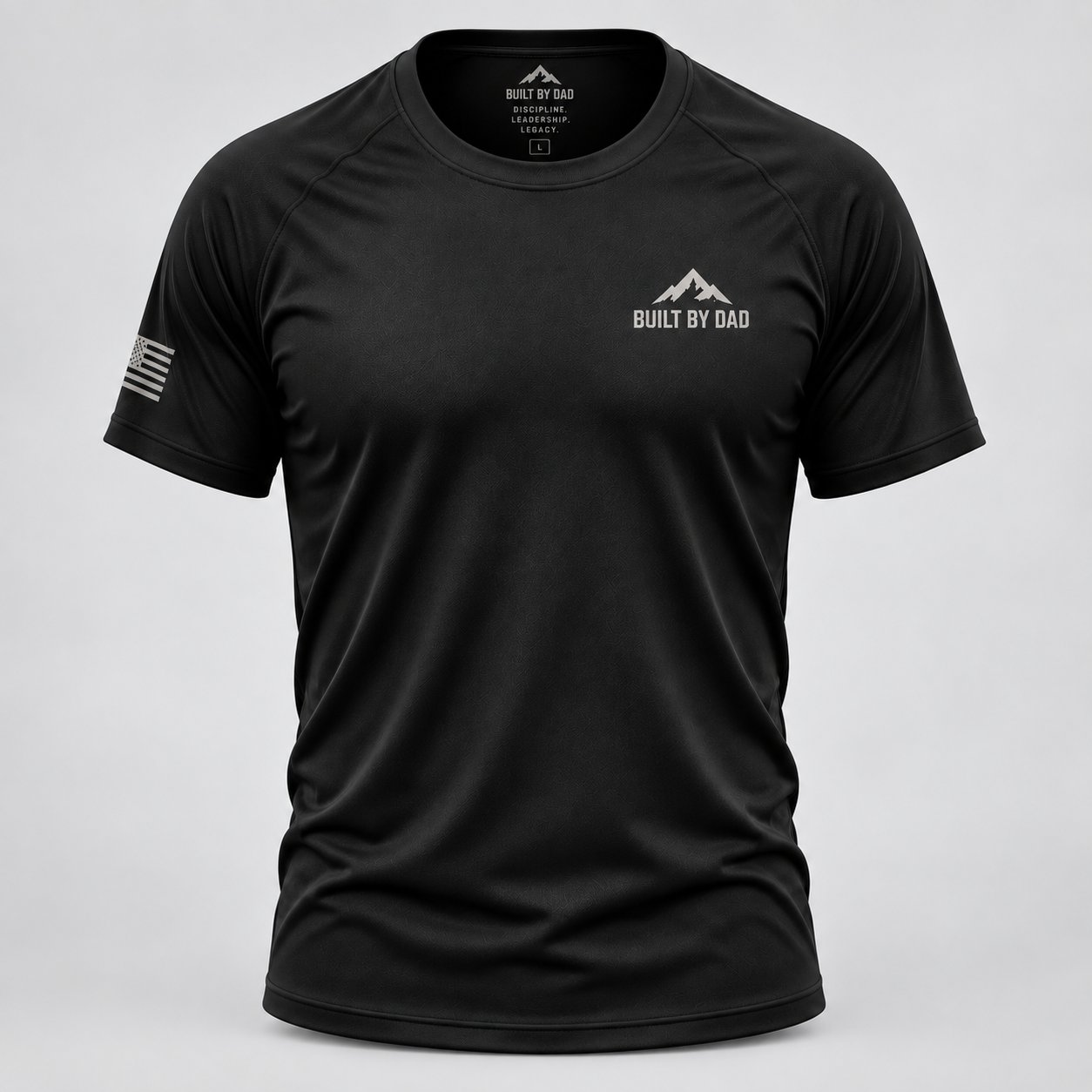
Choosing a dad polo shirt sounds simple until you bring one home and it pulls at the shoulders or hangs past your belt. At Built By Dad, we've learned that fit matters more than brand name, color, or price.
A good dad polo shirt sits in a few key places. The shoulder seam should land right at the edge of your shoulder bone. The chest should have room to move without gaping at the buttons.
Shoulder seams, chest, and sleeve length
Start at the top. If the shoulder seam drops down your arm, the shirt is too big. If it stops short on top of your shoulder, it is too small.
Check the chest next:
- Raise your arms. The fabric should stretch without pulling the buttons open.
- Relax your arms. There should be a little room, but no big tent of fabric.
- Look at the sleeve hem. It should sit mid-bicep and stay put when you move.
Many dads skip this step and buy the size on the tag. Tags vary by brand, so trust how the shirt fits your body instead.
Shirt length and the tuck test
Length decides whether a polo looks put-together tucked in or untucked. Try this quick check:
- Put on the polo and tuck it in your pants.
- Bend forward and sit down.
- If the shirt pulls free from your waistband or bunches up badly, the length is wrong for you.
Untucked, a polo should hit around the middle of your hip. Tucked, it should stay put when you sit. If it keeps coming loose, look for a shirt with a slightly longer tail.
How to Measure for a Men's Shirt Before You Buy
Measuring yourself at home takes about five minutes and saves a lot of returns. You need a soft tape measure and a friend to help if possible.
Measure these four spots:
- Chest: Wrap the tape under your arms and across the fullest part of your chest. Keep it level and snug, not tight.
- Waist: Measure around your natural waistline, usually just above the belly button.
- Shoulder width: Go from the edge of one shoulder bone to the other, across your back.
Compare your numbers to the brand's size chart, not to the size you wear in another brand. Sizing varies more than most dads expect.
Keep these numbers saved in your phone. They make future shopping faster, especially when you're buying in a hurry.
Choosing the Right Polo Shirt Fabric
Fabric changes how a polo feels all day, and how it holds up after a dozen washes. A cotton pique polo breathes well and has the classic textured look. Blends with polyester handle sweat and wrinkles better. Performance fabrics stretch and dry quickly, which helps if you sweat a lot or spend time outdoors.
Think about how you'll wear it:
- Office or casual Fridays: A cotton or cotton-blend pique looks crisp and holds its shape.
- Weekend chores and errands: A soft blend with some stretch keeps you comfortable.
- Hikes, yard work, or sports: Choose a lightweight performance fabric that wicks moisture.
Care, shrinkage, and how the shirt ages
This is where most polo shopping advice stops, and where the real differences show up months later. Before you buy, check the care label and think about what you are willing to do.
- Cotton pique tends to shrink a little after the first few washes, especially in hot water or a hot dryer. If you are between sizes, consider the larger one, or wash cold and hang dry to limit shrinkage. It also wrinkles more than blends, so it may need a quick iron or a few minutes in the dryer.
- Cotton-polyester blends hold their shape and color well, resist wrinkles, and shrink less. They are the low-maintenance choice for a busy week.
- Performance fabrics are designed to dry quickly, but check the label for heat settings.
A few habits keep any polo looking better longer:
- Wash in cold water with similar colors.
- Skip bleach, as the care label advises.
- Tumble dry low or hang dry.
A quick use-and-climate check
Match the fabric to your week, not just your mood:
- Hot, humid days and outdoor work: lightweight performance or a breathable pique blend.
- Travel: a wrinkle-resistant blend that packs well and dries overnight.
- Golf and coaching: stretch and moisture-wicking matter more than texture.
Our embroidered Built by Dad polo is made from a 65% polyester and 35% cotton pique blend. It has a relaxed fit, side vents for airflow, and flat-knit collar and cuffs.
Knowing the material tells you how the shirt will wash, dry, and wear over time, and that is what separates a polo you reach for every week from one that sits in the drawer.
Embroidered Built by Dad Polo Shirt →
Here is a quick side-by-side of the three fabric types covered above, so you can match a polo to your week.
| Fabric | Best for | Key difference |
|---|---|---|
| Cotton pique | Office, casual Fridays | Crisp look, holds shape, may shrink |
| Cotton-polyester blend | Busy weeks, travel | Resists wrinkles, shrinks less |
| Performance fabric | Hikes, yard work, sports | Wicks moisture, dries quickly |
Matching the Polo to Your Build and Body Type
Every dad has a different build, and the right polo for one guy may not work for another. Broad labels like "athletic" or "classic" only get you so far. What actually helps is knowing how a polo should sit on your specific frame, and where to adjust when it doesn't.
Here is how to think through the most common builds. Use these as starting points, then check the fit points from the first section before you commit.
Tall dads
Your main enemy is a shirt that looks like it shrank in the wash. Look for a polo with a longer body length and a slightly longer sleeve. If the shirt hits above your belt when you raise your arms, it is too short. A relaxed fit with a straight hem usually works better than a slim cut, which can ride up.
Short dads
Too much fabric is the problem here. A polo that hangs past mid-hip or has sleeves flapping at the elbow will swallow your frame. Choose a trimmer cut with a hem that lands around the middle of your hip, and a sleeve that ends cleanly at mid-bicep. If you are between sizes, size down rather than up, a slightly closer fit reads as intentional, while extra fabric reads as borrowed.
Broad-shouldered dads
You need room across the back and chest without a tent around the waist. Look for a regular or relaxed cut with a bit of stretch in the fabric. Check the back panel: if it pulls tight when you reach forward, size up or choose a cut with side vents. A flat-knit collar helps here too, it holds its shape instead of curling when your shoulders fill out the shirt.
Dads carrying weight around the midsection
A slightly longer shirt with a relaxed fit covers better without bunching, and a straight hem untucked is usually more forgiving than a tucked-in look. Avoid fabric that pulls across the buttons, that draws the eye exactly where you don't want it. A darker color and a subtle texture like pique also help the shirt drape rather than cling. If the shirt gaps at the buttons when you sit, it is too tight, full stop.
Lean or narrow builds
A tailored cut can look sharp, but watch the sleeve length and shoulder seams, a slim polo on a narrow frame can look like it is hanging off you if the shoulders are too wide. Look for a cut that follows your torso without excess fabric at the waist, and check that the sleeve hugs your arm rather than flapping.
None of this is about looking a certain way. It is about wearing a shirt that moves with you and lets you show up present, at work, on the sidelines, or at the dinner table, without thinking about your clothes.
Polo Shirts for Active Dads: Movement, Heat, and Everyday Wear
If you're on the golf course, at the gym, or chasing kids around the yard, your polo needs to move with you. Stretch matters. So does breathability.
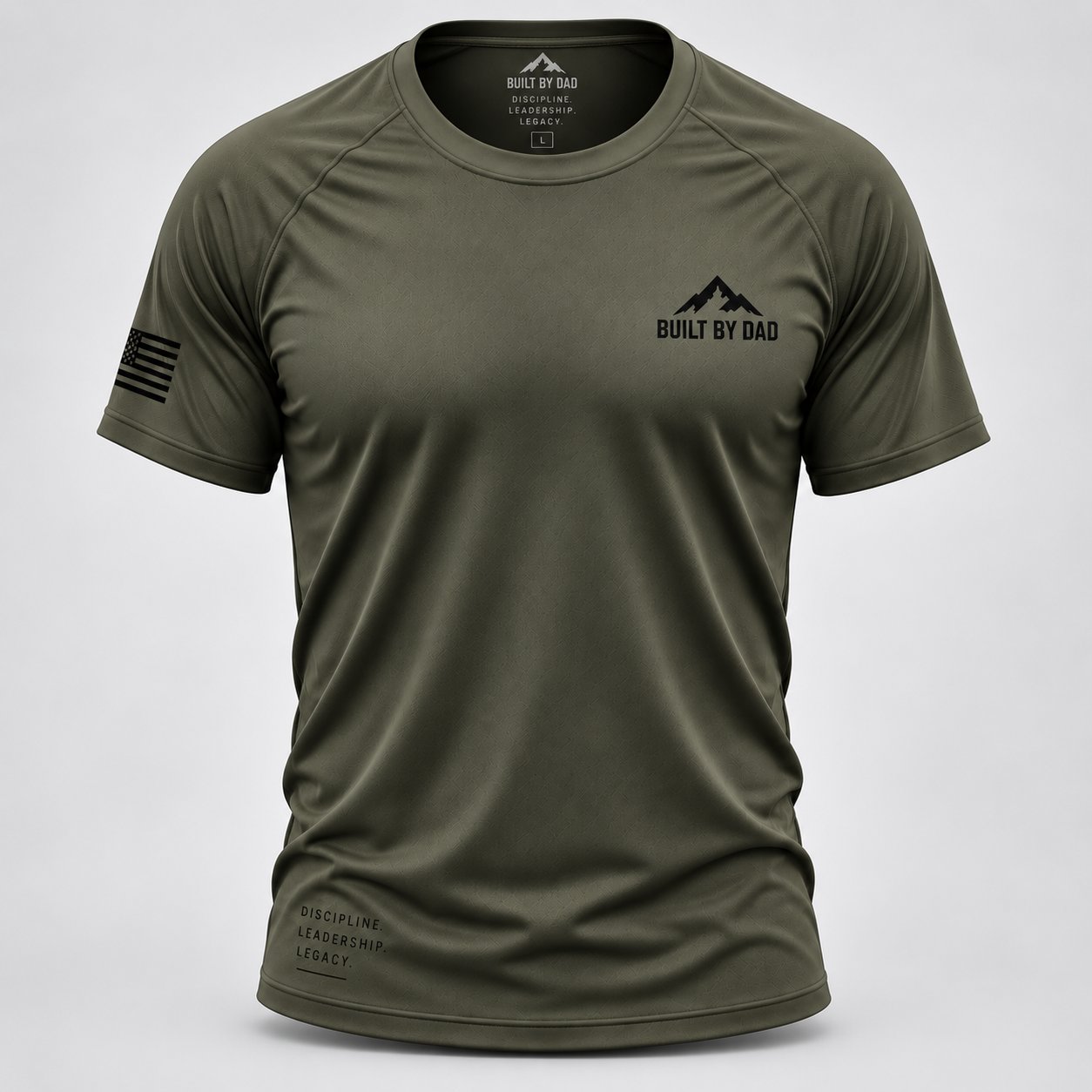
Look for these features:
- Moisture-wicking fabric that pulls sweat away from your skin
- Four-way stretch or a small amount of spandex for easy range of motion
- Side vents or a relaxed fit that lets air move
Performance polos can be a good fit for outdoor work and training. Keep a couple of cotton-blend polos for dressier days, though. Having both covers most of your week without building a closet full of single-use shirts.
Picking a Polo as a Gift When You Don't Know His Size
Buying a polo for someone else can feel risky. Here's how to lower the odds of a wrong size.
- Check his existing shirts. Look at the tag on one that fits him well, or ask a family member who shops with him.
- Choose a relaxed cut. Relaxed fits forgive more sizing mistakes than slim fits.
- Pick a classic color. Navy, gray, black, and white suit most dads.
A polo is a practical gift. Pair it with a short note about what you appreciate in him, and it will land better than a generic shirt.
Your Next Step: Find Your Fit and Start Wearing It
Pick one polo you already own that fits well, and use it as your reference. Measure it, note the chest, length, and sleeve numbers, and bring those to your next shopping trip.
Ready to start? Browse the embroidered Built by Dad polo shirt and see if it fits your routine. Join our email list for more practical guides on dressing well, staying active, and leading your family with confidence.
Frequently Asked Questions
How should a polo shirt fit a man?
A polo should sit smoothly at the shoulders, with the shoulder seam landing at the edge of your shoulder bone rather than sliding down your arm. The chest should allow room to move without pulling or gapping at the buttons. Sleeves should end around mid-bicep, and the hem should cover your waistband when you tuck it in or sit just at the top of your belt when worn untucked. If the fabric bunches across the stomach or pulls at the placket, size up or choose a cut with more room through the body. Movement is the best test: raise your arms and reach forward. The shirt should stay put and keep its shape.
What fabric is most comfortable for a polo shirt?
Piqué cotton is the classic choice because its textured knit breathes well and holds its shape through repeated washing. For active dads, a cotton-polyester blend adds stretch and quicker drying. The Embroidered Built by Dad Polo Shirt uses a 65% polyester and 35% cotton pique fabric in a lightweight 5.0 oz/yd² weight, with side vents for airflow. Choose a heavier cotton piqué for cooler days and a lighter blend for hot weather or long days on your feet.
How do you choose the right polo shirt size for a gift?
Start with a shirt he already owns that fits well, and compare its chest width and length to the size chart on the seller's page. If you do not know his size, choose a relaxed fit in a size you are confident about, or pick a shirt with a clear size guide and a simple return policy. Check the product page for exact fabric care and fit details before you buy, so you know what to expect.
How can you choose a polo shirt for an active dad?
Look for a fabric with some stretch, a relaxed cut through the shoulders and chest, and side vents that help air move while he works, coaches, or hikes. Cotton-polyester pique dries faster than heavy cotton and holds its shape after sweaty days. Avoid tight cuts that restrict reaching or lifting, since a polo that pulls at the shoulders will rarely get worn. Pick colors that hide dirt and sweat marks if he wears them for yard work or practice.
